
Are Colored Contacts Safe? The Complete Safety Guide
Yes — colored contacts are safe when you buy compliant lenses, wear them correctly and follow hygiene rules. The scary stories you hear almost always come from unverified lenses or improper wear, not from the lenses themselves. This guide covers regulations, wear times, cleaning, red flags and how we verify every single order.
The Basics: What Makes Colored Contacts Safe
A colored contact lens is a medical device, and safety starts at the factory. Safe colored contacts are made from breathable, biocompatible materials, and the color layer is sealed inside the lens so it never touches your eye directly.
- Quality materials. Lenses are made from soft, breathable hydrogels or silicone hydrogels that meet strict safety standards.
- Controlled manufacturing. Every batch is produced under clean, regulated conditions and inspected before it ships.
- Sealed color layer. The pigment is embedded between layers of lens material, so it cannot flake off or irritate your eye.
- Proper packaging. Each pair arrives in a sterile-sealed vial with full wear and care information.
This is why we only work with manufacturers that meet strict safety standards, and why every order is checked again before it leaves our warehouse. A safe lens should also be comfortable: it should sit correctly on your eye, move slightly with your blink and never feel dry or scratchy. Every lens we stock meets strict safety standards before it reaches you.
Regulations & Prescriptions
The single biggest safety factor is the prescription. U.S. regulations require a valid prescription for all contact lenses — including zero-power (plano) cosmetic lenses. Contacts are medical devices, and a proper eye exam ensures the lens fits your eye shape, curvature and tear film before you ever wear them. Skipping the exam is how people end up with lenses that do not fit, do not move correctly and irritate the eye.
| Prescription Lenses | Plano (Zero-Power) Lenses | |
|---|---|---|
| Vision correction | Corrects nearsighted or farsighted | No correction — purely cosmetic |
| Prescription required | Yes | Yes |
| Eye color change | Yes | Yes |
| Best for | Daily wear instead of glasses | Events, cosplay, fashion |
Not sure which type you need? Read our complete prescription guide, or see exactly how we check every order on our prescription verification page.
Wear Time Rules: How Long Is Too Long?
Even a high-quality lens can cause problems if it is worn too long. Oxygen flow matters, and sclera (full-eye) lenses naturally let less oxygen through because they cover more of your eye.
| Lens type | Recommended max wear |
|---|---|
| Standard colored contacts | Up to 8 hours |
| Sclera / full-eye contacts | 4 to 6 hours |
| First-time wearers | Start with 2 to 3 hours and build up gradually |
| Overnight wear | Never — always remove before sleep |
Take lenses out at the first sign of dryness, discomfort or redness, and give your eyes a rest day when you wear lenses often. If irritation lasts after removal, stop wearing them and talk to an eye care professional.
Cleaning & Hygiene Rules
Most contact lens complications come from hygiene mistakes, not from the lenses. Follow these rules every single time:
- Wash your hands with soap and water, then dry them with a lint-free towel before handling lenses.
- Use fresh solution. Never reuse or top up old solution, and use only the solution recommended for your lens type.
- Never share lenses — even with friends or family. Sharing spreads bacteria and is one of the fastest routes to an eye infection.
- Never sleep in lenses unless your eye doctor specifically approves it.
- Keep lenses away from water. No swimming, showering or rinsing lenses in tap water.
- Replace your lens case every one to three months, and rinse it with fresh solution, never water.
These habits protect your eyes more than any brand choice. Ten seconds of hygiene can prevent weeks of eye trouble.
Who Shouldn’t Wear Colored Contacts
Colored contacts are not right for everyone. Talk to an eye care professional before wearing them if any of these apply to you:
- Active eye infection, redness or irritation
- Chronic dry eye or recurring discomfort with lenses
- Severe allergies that affect your eyes
- A history of corneal problems or eye surgery
- Your eye doctor has told you not to wear contact lenses
When in doubt, a quick eye exam and a chat with your eye doctor will tell you whether colored contacts are a good fit for you.
Red Flags: Where NOT to Buy
The cheapest lens is the most expensive when it costs you your eye health. Walk away from these red flags:
- No prescription check. Legitimate sellers verify your prescription details before shipping.
- Street vendors and unverified third-party sellers. You cannot know where the lenses were made or how they were stored.
- Suspiciously low prices. Quality lenses cost more because manufacturing, testing and compliance cost more.
- No product information. No material details, no sizing info, no care instructions — that is a hard pass.
- No customer support. When something goes wrong, you need a real team behind your order.
Stick with verified retailers that check prescriptions, publish their materials and stand behind every order.
How We Verify Every Order
We take safety seriously at CCUS, and we build it into every single order:
We review your order. Color, size, power and delivery details are checked the moment your order lands.
We check your prescription. U.S. regulations require a valid prescription for all contact lenses — including plano. We verify the details you enter at checkout.
We inspect quality. Our lenses come from manufacturers that meet strict safety standards, and each batch is checked before packing.
We ship it sealed. Every pair ships in hygienic, sealed packaging with wear and care instructions included.
Shop Safe, Compliant Colored Contacts
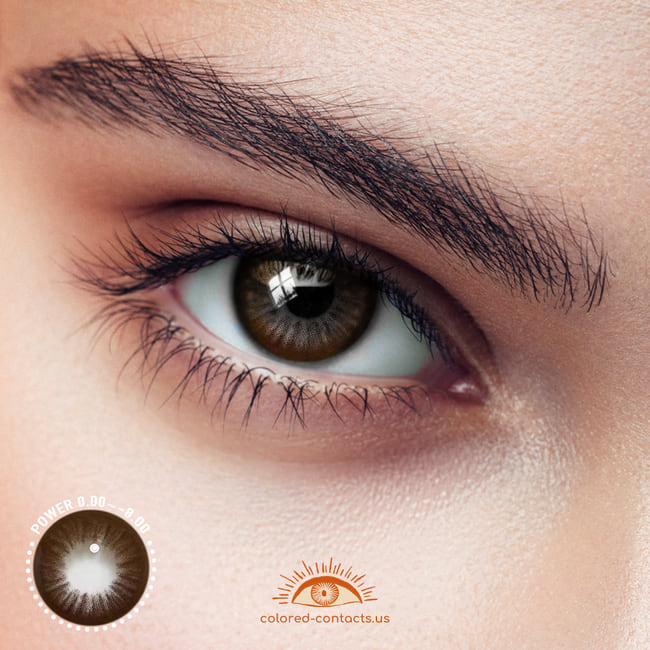
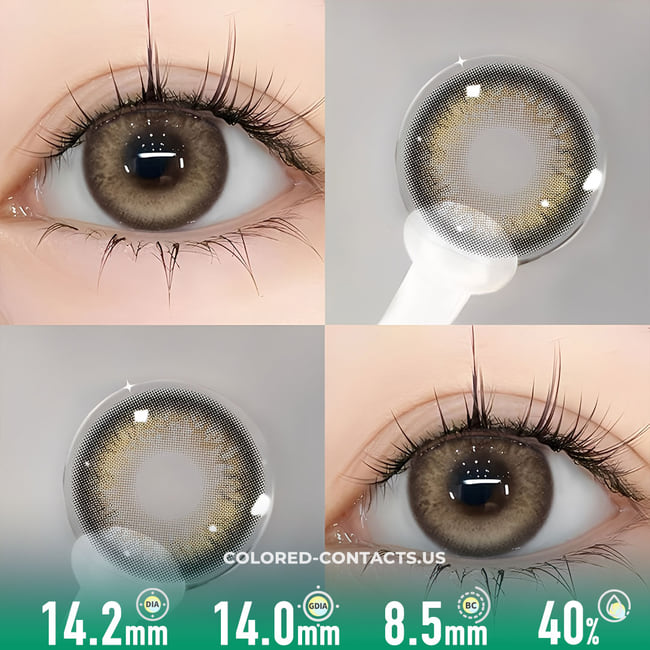
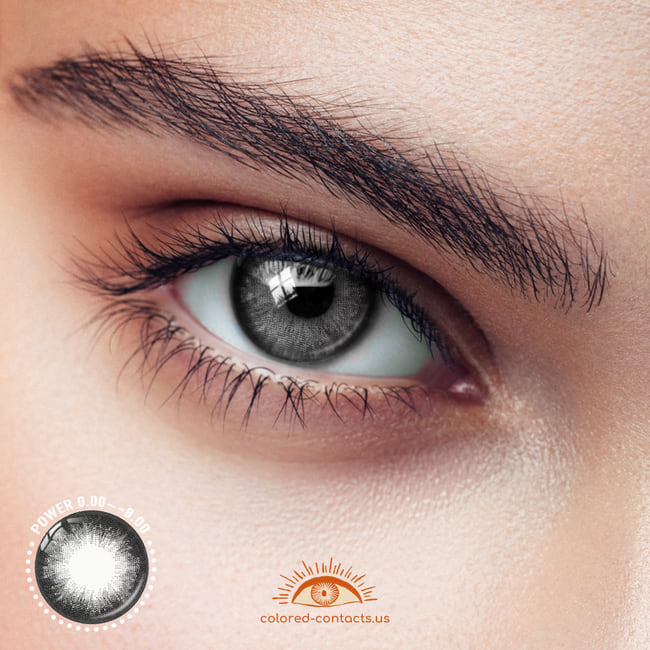
Secret Garden
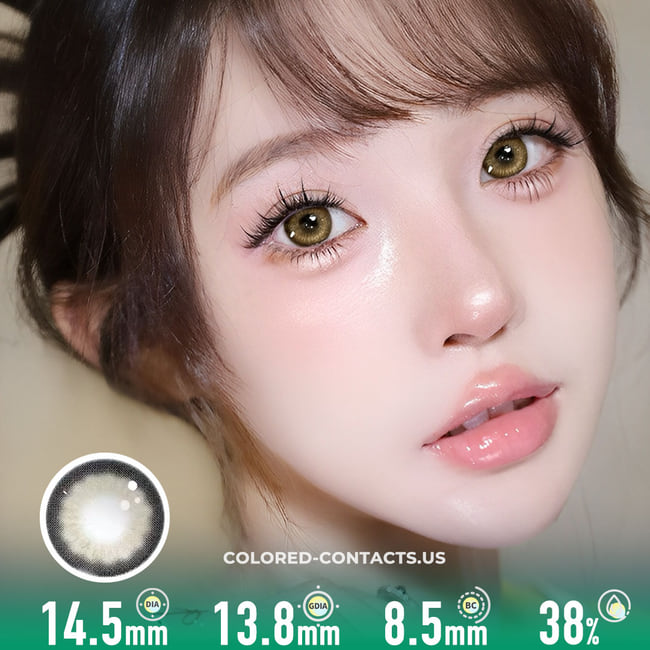
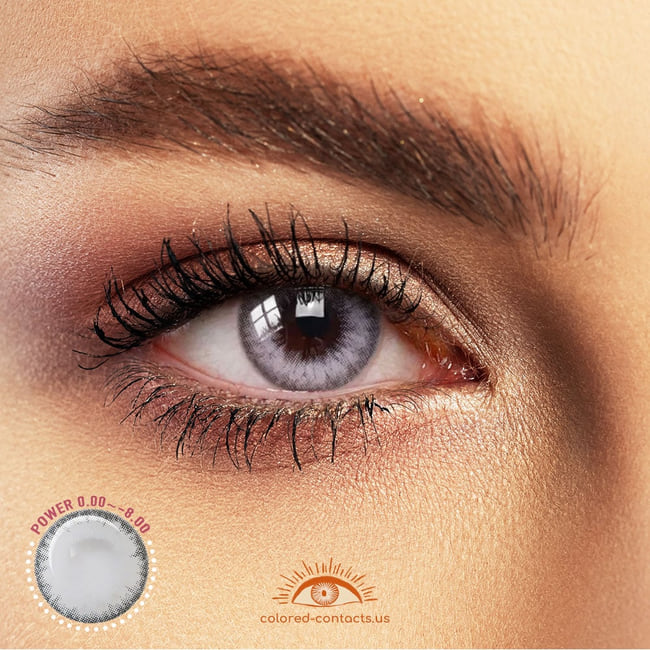
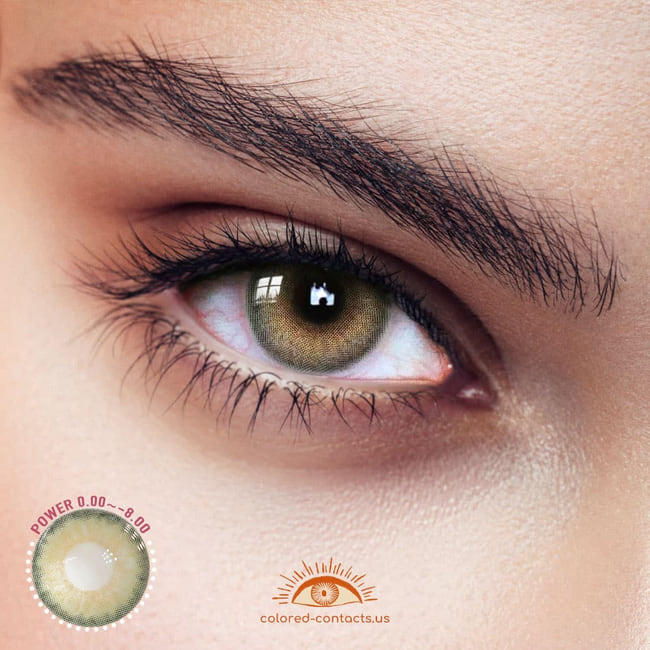
Starshine Doll
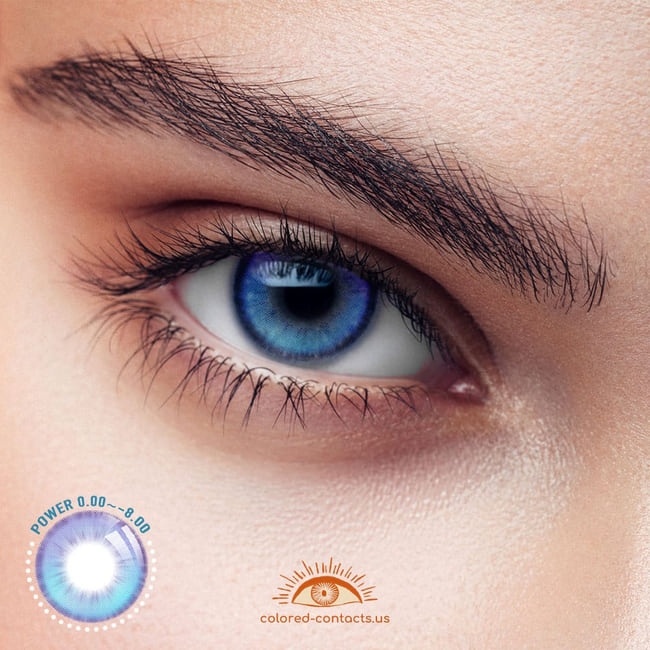
Comet Glow
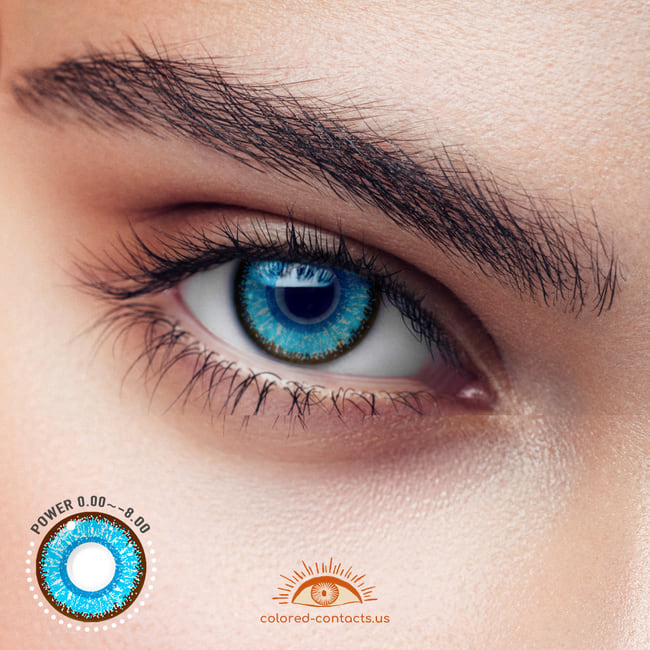
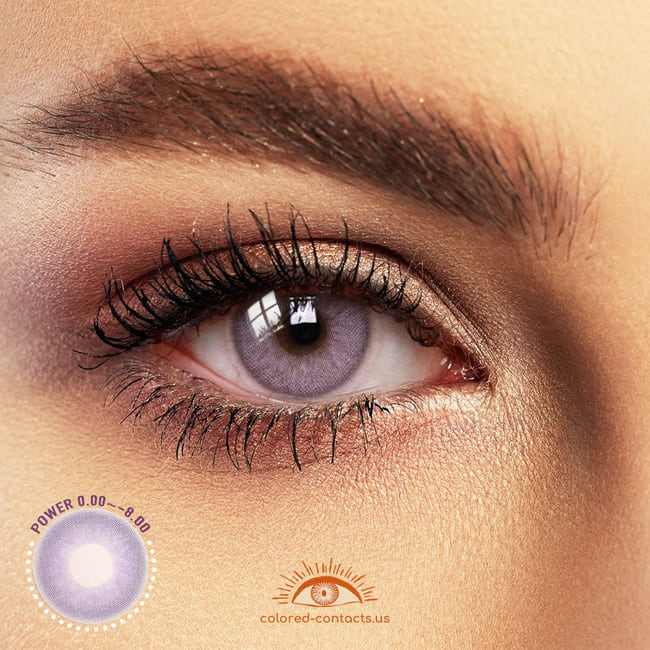
Lavender
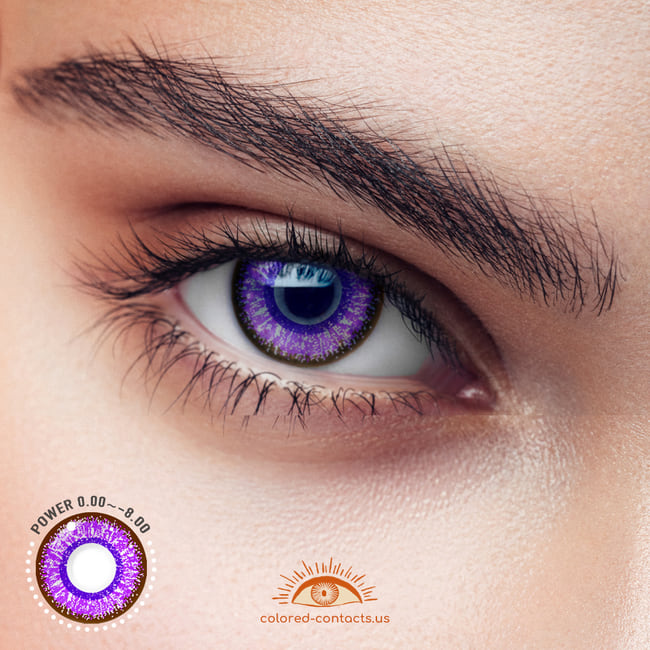
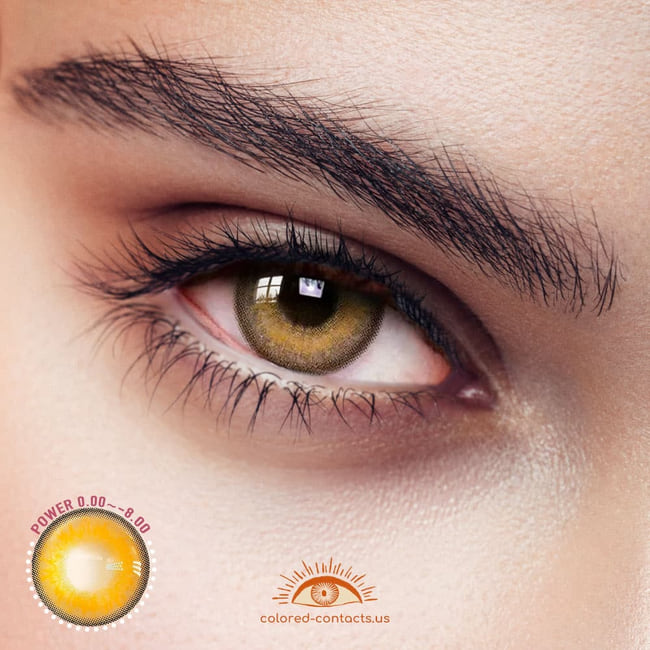
Himalaya
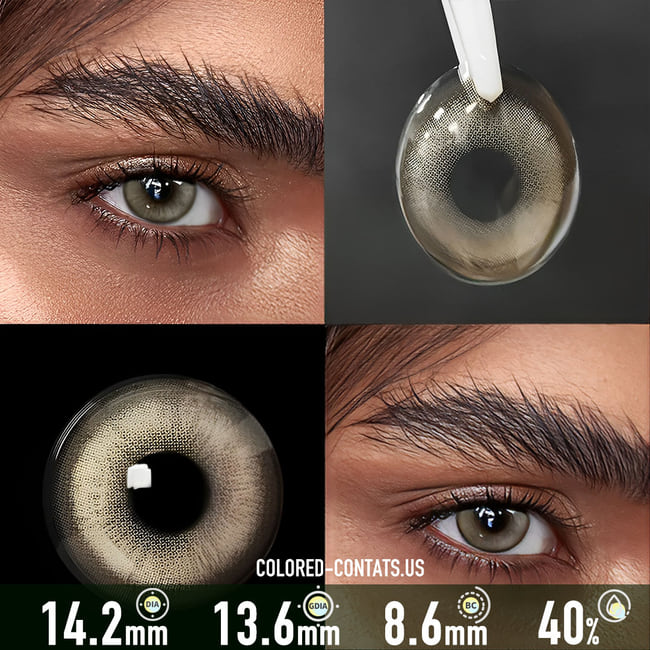
Grey Colored Contacts
Colored Contacts Safety FAQ
Are colored contacts safe for eyes?
Yes — colored contacts are safe for eyes when you buy compliant lenses, wear them for the recommended time and follow hygiene rules. Most problems come from unverified lenses or improper wear, not from the lenses themselves.
Can colored contacts damage your eyes?
Colored contacts can only damage your eyes through misuse — sleeping in lenses, sharing them, exposing them to water or buying from unverified sellers. Quality lenses that meet strict safety standards are safe when worn correctly with a valid prescription.
How long can you wear colored contacts?
Standard colored contacts are recommended for up to 8 hours a day. Sclera (full-eye) lenses are recommended for 4 to 6 hours, and first-timers should start with 2 to 3 hours and build up gradually. Never wear any lens overnight.
Can you sleep in colored contacts?
No — never sleep in colored contacts. Wearing lenses overnight blocks oxygen to your cornea and dramatically raises the risk of infection. Always remove them before bed.
Are colored contacts safe for teenagers?
Yes — colored contacts are safe for teenagers when parents are involved: book an eye exam and get a valid prescription, choose compliant lenses, and supervise the first few wears until hygiene habits are solid.
Colored contacts vs regular contacts safety: which is safer?
There is no meaningful safety difference between colored and regular contact lenses when both are compliant, prescription-valid and worn correctly. Colored lenses have the color layer sealed safely inside, but the wear and care rules are the same.