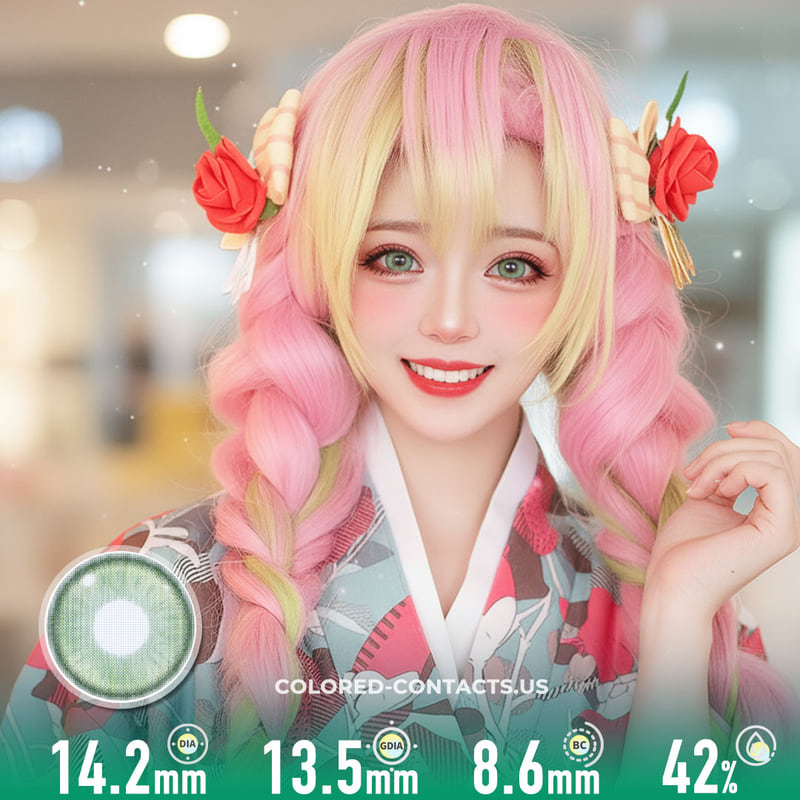
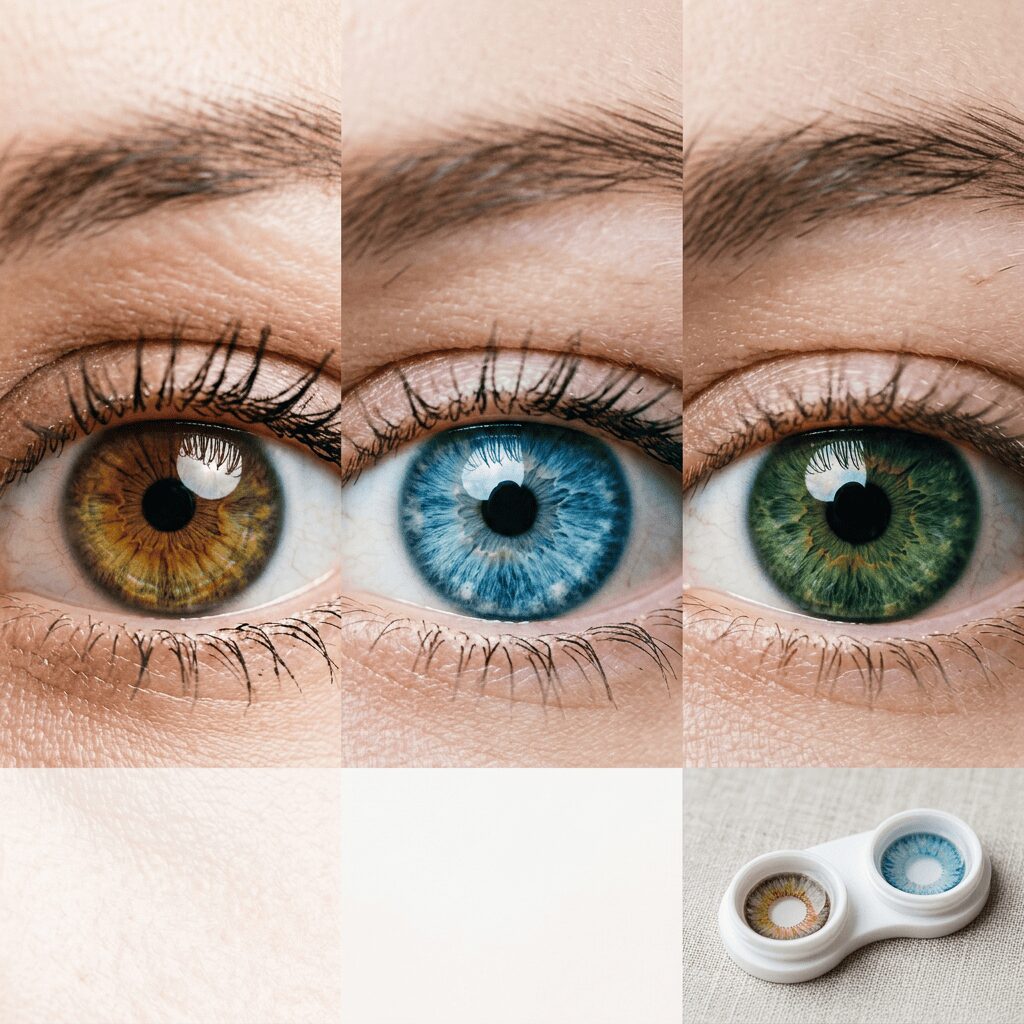
Yes — you can change your eye color, and colored contact lenses are the only practical way to do it. Permanent options exist, but they carry risks we would never recommend. In this guide, we walk through every option — colored contacts, makeup, lighting tricks, and the surgical procedures to avoid — so you can pick the look that fits your eyes, your budget, and your comfort level.
Here’s what we cover:
- The short answer on changing your eye color
- How colored contacts change your eye color (and how they look on your shade)
- Makeup tricks that shift how your eye color reads
- Why we don’t recommend eye-color surgery
- Safety rules and the FAQ
Can You Actually Change Your Eye Color?
Yes — but the method matters. Colored contact lenses give you a real, visible change that is temporary and fully reversible: the lens sits over your iris, and when you take it out, your natural eye color is right back. Makeup and lighting create the illusion of a different shade without changing your iris at all. Surgical options can change your eye color permanently, but they come with serious, often irreversible risks, which is why we don’t offer or recommend them.
Colored Contact Lenses: The Most Effective Option
If you want your eye color to genuinely change, colored contacts are the answer. The lens’s opaque design replaces your natural shade with the color you choose. High-opacity lenses work well on most eye colors, including dark brown eyes, so even the deepest natural shades can switch to blue, green, grey, or hazel for the day.
Two main types of colored lenses exist:
- Opaque lenses — a solid color layer that covers your iris; the go-to for dark eyes and dramatic changes.
- Enhancement tints — a subtle tint that deepens your natural color instead of replacing it; best for light eyes.
Before you order, one important note: U.S. regulations require a valid prescription for all contact lenses, including zero-power cosmetic lenses. Even if you don’t need vision correction, a proper fitting keeps lenses comfortable and healthy. Our prescription guide for colored contacts explains exactly how this works.
Best Colors for Every Natural Eye Shade
The “best” color depends on your starting shade and how dramatic you want to go.
- Dark brown eyes: rich browns and hazels look the most natural — try hazel contacts or brown contacts like Real Khaki or Secret Garden Brown. For a bolder switch, blue contacts, green contacts, and grey contacts all show up well on dark irises.
- Light eyes: you have the widest range — subtle enhancement tints for everyday wear, or vivid colors for events and cosplay.
Browse our natural-style colored contact collection if you want a believable, everyday look that still changes your eye color.
Makeup Tricks That Make Your Eye Color Pop
Makeup won’t change your iris, but it can change how your eye color reads. Warm gold and copper eyeshadows make blue eyes look greener; plum and burgundy tones make brown eyes look richer; grey liner can make green eyes appear more intense. A ring of eyeliner close to the lash line makes the iris look larger and brighter in photos, which is why so many people “see” a different eye color in well-lit selfies.
It’s a zero-risk way to experiment with the direction you want before you commit to lenses — and it layers perfectly with colored contacts for a fuller look. Try a few makeup combinations first, note which shades you love, then match your first lens pair to them.
Surgery and Iris Implants: Why We Don’t Recommend Them
Some clinics advertise permanent eye-color procedures such as iris implants and keratopigmentation. These procedures are irreversible and carry serious risks — including glaucoma, cataracts, and vision loss — with far less oversight than you’d expect. Our honest advice: your vision isn’t worth the gamble for a cosmetic color change. If you want the look, colored contacts deliver the same visible result with none of the permanent risk.
How to Change Your Eye Color Safely
Whatever option you choose, follow these rules:
- Always use a valid prescription — even for zero-power cosmetic lenses.
- Buy from a retailer you trust, never from unverified marketplaces or costume shops.
- Follow wear time and hygiene rules: no sleeping in lenses, no water contact, no sharing.
Our complete colored contacts safety guide walks through each rule in detail so you can change your eye color with total confidence.
If you’re ready to try it, start with a shade that flatters your skin tone and feels easy to wear every day — you can always go bolder later. Changing your eye color should be fun, not stressful, and with the right lenses and a valid prescription, it really is that simple.