
So, you’re ready to dive into the world of colored contacts and level up your eye game? YAS, QUEEN. 🙌 But before you start shopping, there are a few key things you need to know to make sure your new lenses are as comfy as they are cute. We’re breaking down everything from what BC means to whether bigger lenses are actually better. Let’s get into it! 🚀
What Does BC for Contact Lenses Mean? 🤔
First things first: BC stands for Base Curve. It’s the measurement of the curve on the back of your contact lens, and it’s super important for comfort and fit.
Why It Matters: If the BC is too steep or too flat, your lenses might feel like sandpaper in your eyes. 😬
How to Find Yours: Your eye care professional can measure your eye’s curvature during an exam. Most lenses come in a standard BC range (8.4 to 8.8), but it’s always best to go with what your doc recommends.
Pro Tip: If you’re shopping online, look for sites like that let you filter by BC. Your eyes will thank you. 🙏
Does Bigger Diameter Mean More Comfort? 🤷♀️
Short answer: Not always. Let’s break it down:
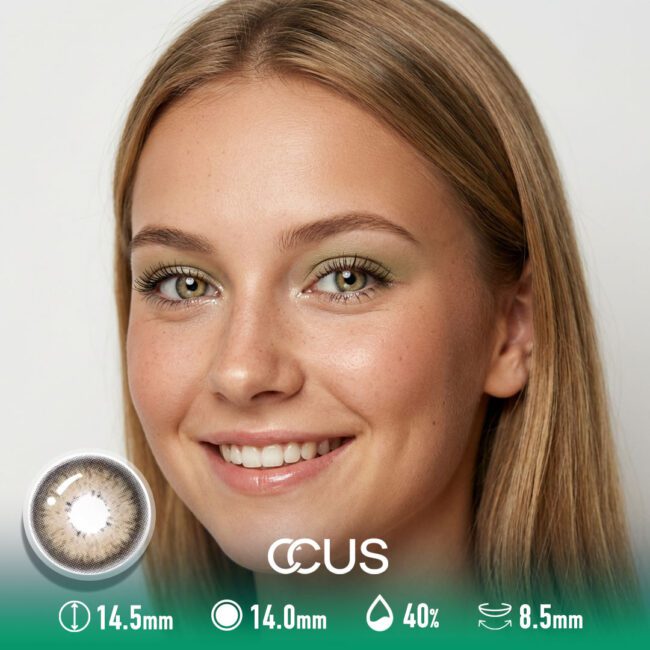
What Is Diameter? It’s the size of the lens from edge to edge, measured in millimeters (mm). Most colored contacts range from 14.0mm to 14.8mm.
Bigger Isn’t Always Better: While bigger lenses can make your eyes look more dramatic (think: anime vibes 🎀), they might not be the most comfortable for everyday wear.
What to Choose: If you’re new to contacts, start with a smaller diameter (14.0mm to 14.5mm) for a natural, comfy fit. Save the bigger lenses for special occasions or photoshoots.
Other Key Factors to Consider 🧐
Choosing the perfect colored contacts isn’t just about BC and diameter. Here are a few more things to keep in mind:
1. Material Matters 🧪
Hydrogel: Soft and comfy, great for beginners.
Silicone Hydrogel: More breathable, perfect for long wear.
Rigid Gas Permeable (RGP): Not as common for colored contacts, but great for specific eye conditions.
2. Water Content 💧
High Water Content (50%+): Super comfy but can dry out faster.
Low Water Content (<50%): Less hydration but more durable.
3. Prescription vs. Plano 👓
Prescription: Corrects your vision while adding color.
Plano: Just for aesthetics—no vision correction.
How to Find Your Perfect Pair 🛍️
Ready to shop? Here’s how to find the best colored contacts for your eyes:
Get an Eye Exam 👨⚕️ Even if you’re just buying plano lenses, it’s a good idea to get your eyes checked. Your optometrist can measure your BC and diameter for the perfect fit.
Read Reviews 📝 Check out what other people are saying about the lenses you’re eyeing (pun intended 😉). Look for comments on comfort, color, and durability.
Shop Trusted Sites 🌐 Stick to reputable sites like that offer detailed product info and customer support.
Start Small 🔍 If you’re new to colored contacts, go for a natural shade and smaller diameter. Once you’re comfortable, you can experiment with bolder looks.
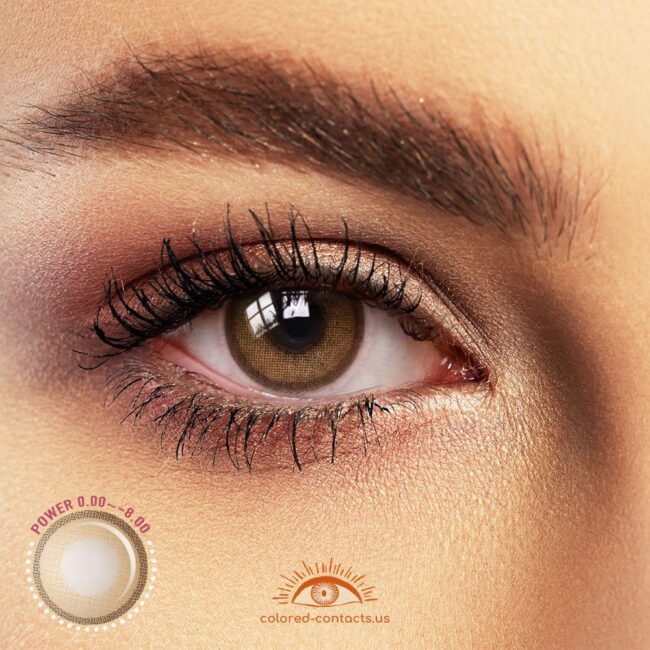

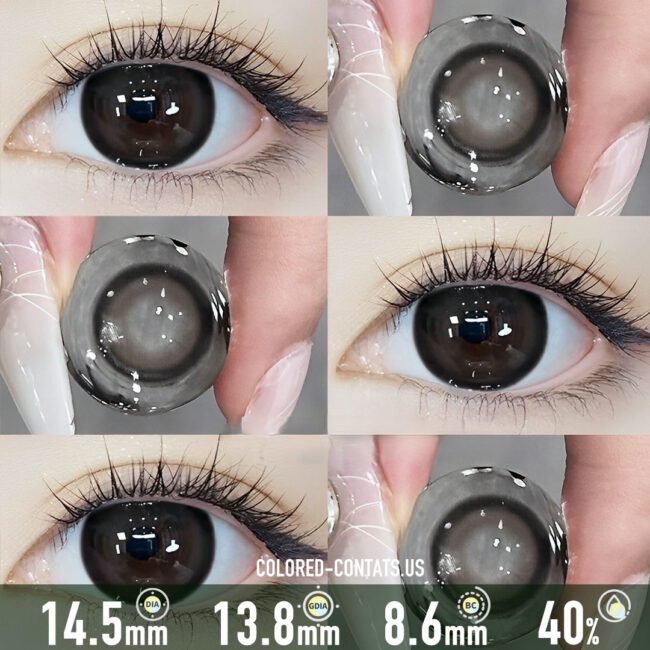
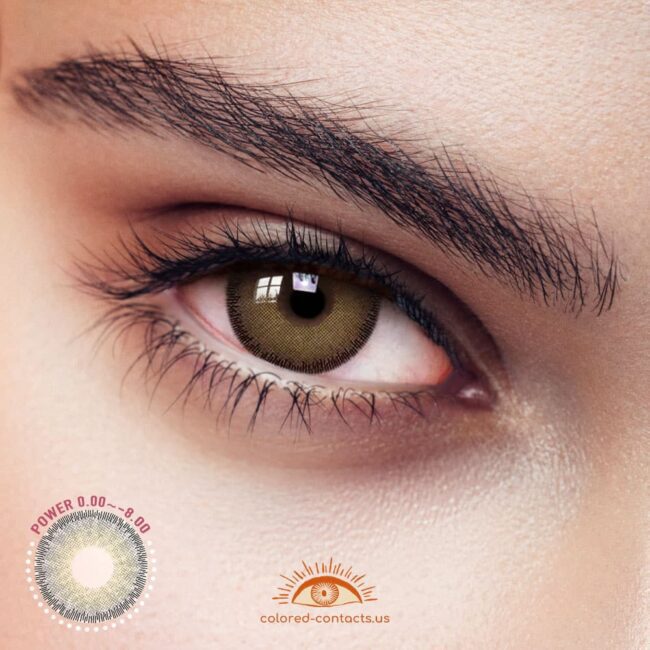
Brown Colored Contacts
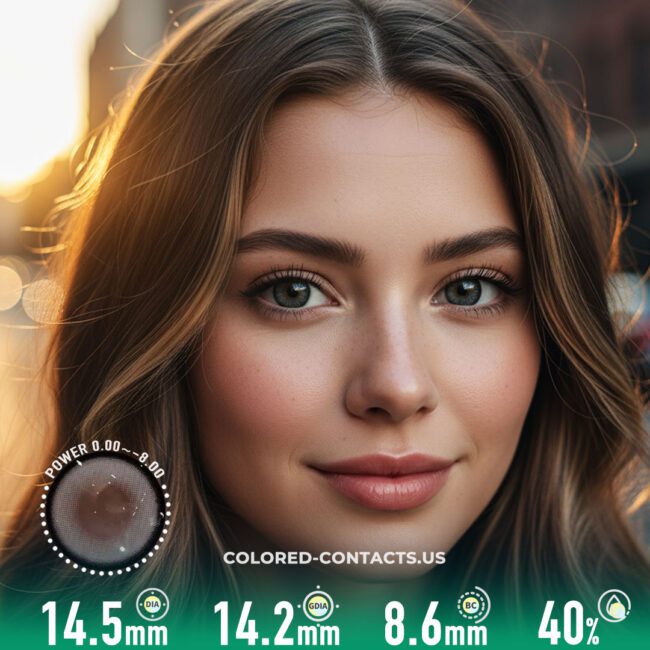
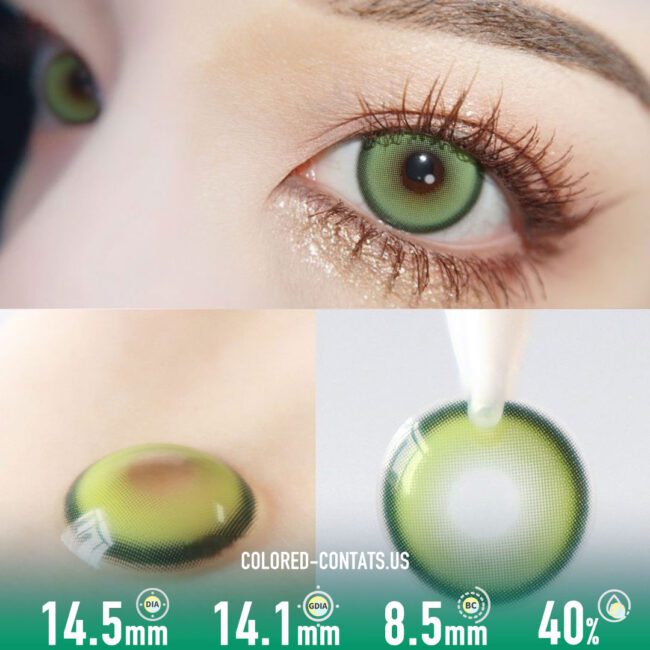
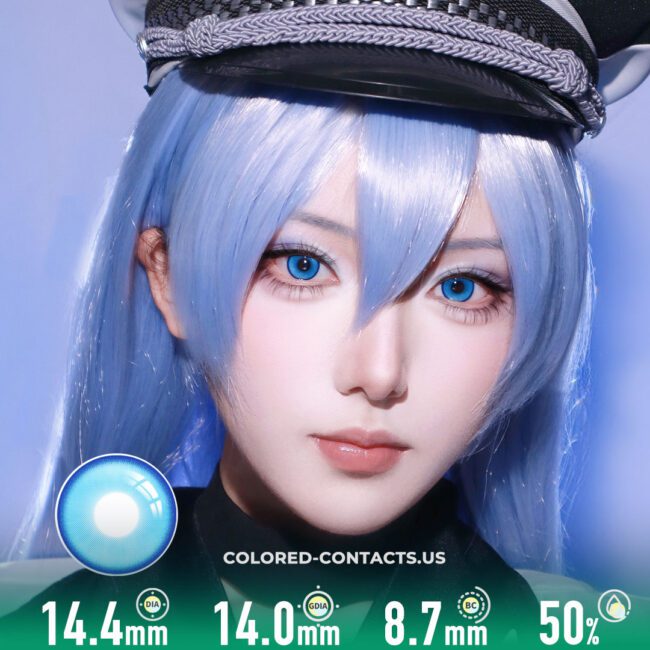
Blue Colored Contacts
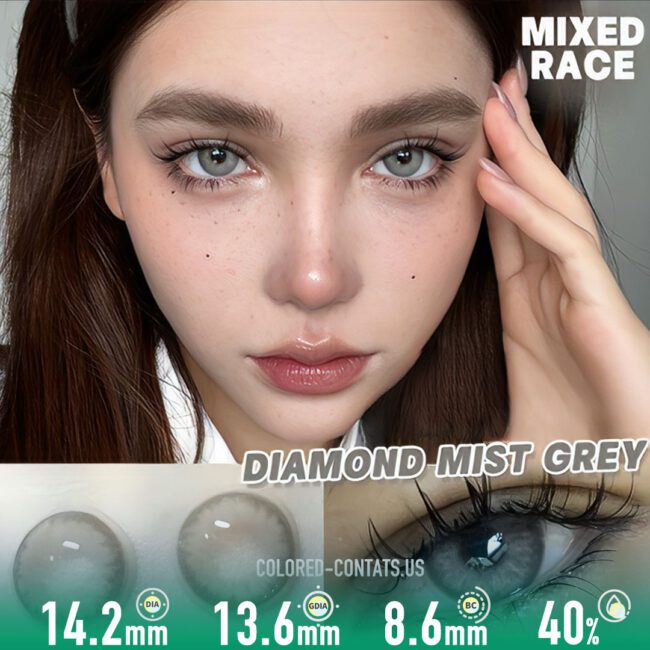
Grey Colored Contacts
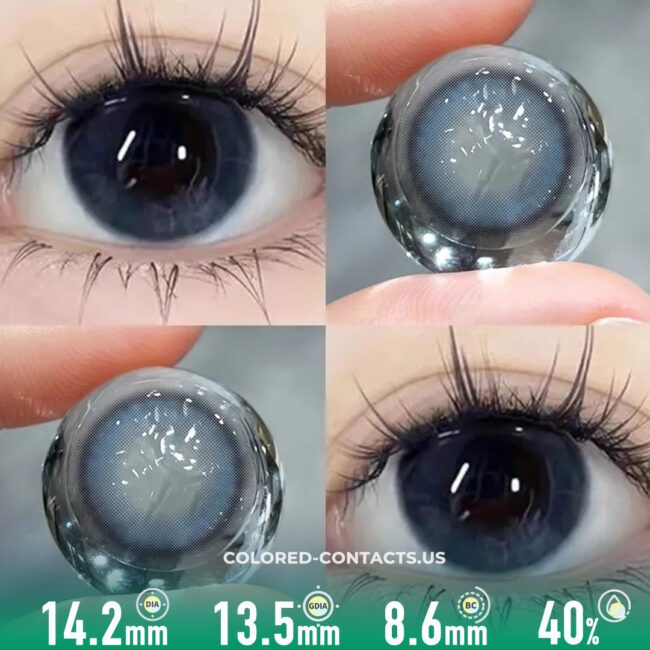
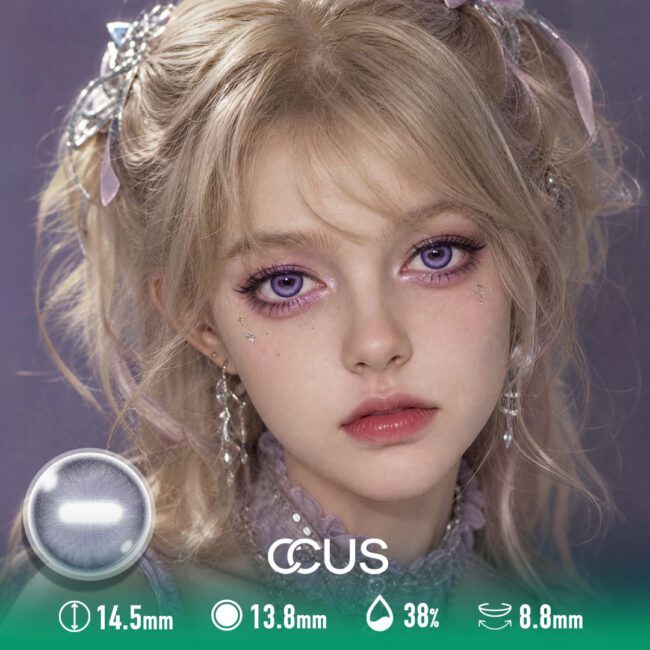
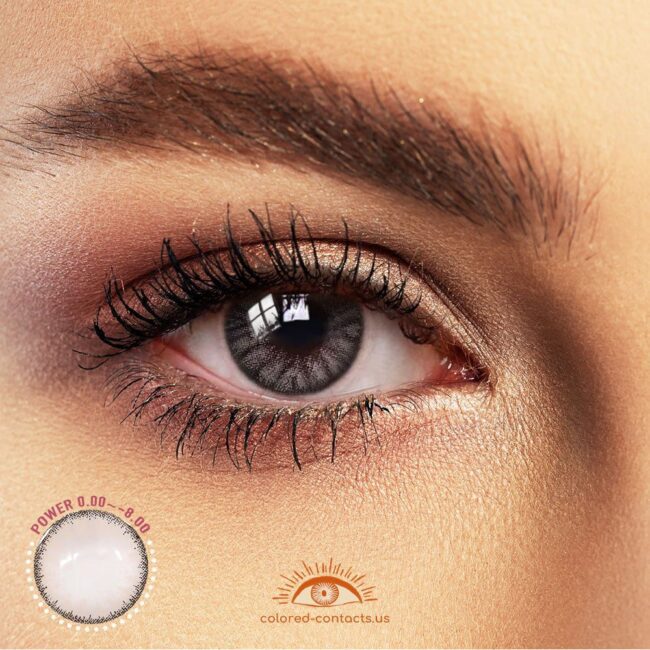
Royal Vanilla
Pro Tips for First-Timers 🛑
Start Slow: Wear your lenses for a few hours at a time to let your eyes adjust.
Keep Them Clean: Always use fresh contact solution and follow hygiene practices. 🧼
Give Your Eyes a Break: Don’t wear your lenses for more than 8-10 hours a day.
Final Thoughts 💭
Choosing the perfect colored contacts doesn’t have to be overwhelming. Now that you know all about BC, diameter, and other key factors, you’re ready to shop like a pro. Whether you’re going for a subtle enhancement or a bold transformation, there’s a pair of lenses out there for you.
So, what are you waiting for? Head to